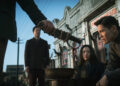
Based on true events, The Assassin(s) is a searing and propulsive political thriller and newsroom drama set in Cold War-era South Korea. Directed by Hur Jin-ho and starring Lee Min-ho (Pachinko), Park Hae-il (Decision to Leave), and Yoo Hai-jin (Exhuma), the film depicts a presidential assassination attempt on August 15, 1974 — which left the First Lady dead — and the shadowy cover-up afterward. Absolutely riveting from start to finish, the polished drama brings to light a conspiracy that remains mysteriously covered up by the government even today.
Everything one could possibly want and expect from a gripping newsroom drama is in The Assassin(s). It’s immensely satisfying to watch competent and morally aligned journalists and detectives work together to find the truth, despite obfuscation by people in power. Intriguing pieces of evidence are found, witnesses whisper vital secrets, messages are furtively passed from one department to another, and someone even follows the trail into Japan — all elements heavily borrowed from the thrilling world of espionage, and also feel reminiscent of the procedural work in David Fincher’s Zodiac.
As more of the case is revealed and official statements become more untenable, the movie builds its own case against the real culprit(s). The greater question of which country and which government body is behind the assassination attempt and the subsequent cover-up is answered in one of the film’s key final scenes, sparking a critical debate about potential justifications.

Along the way, The Assassin(s) delves into the historically fascinating setting of 1970s South Korea. The country is still picking itself up after being released from the grip of Japanese occupation, followed by decades of government instability, violent military rulers, and prolonged tension with North Korea. It also has its own entanglement with the West, as the U.S. had a hand in Korean–Japanese relations after World War 2. The film’s fictional rise of the free press movement becomes a pivotal moment in itself, a direct message likely aimed at the South Korean government of today to release the truth about who killed the First Lady.
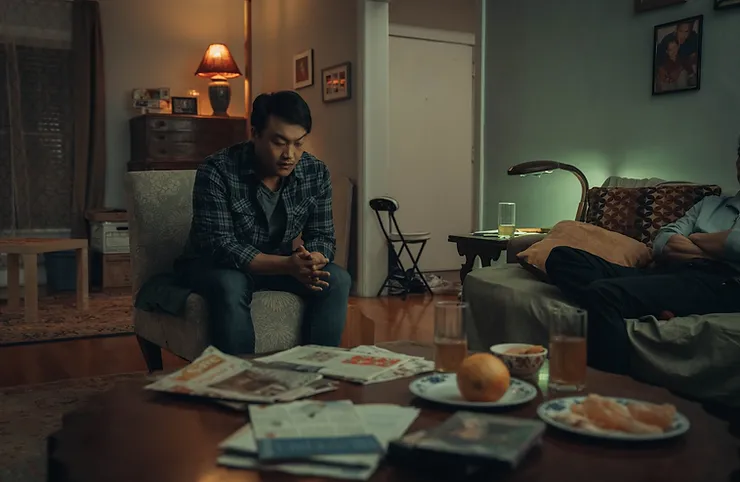
The three lead characters — a charming reporter (Lee), his dogged editor (Park), and a stalwart detective (Yoo) — pursue the case despite the circumstantial challenges and threats to their careers. All performers do an excellent job in keeping the audience on their side without being too clean-cut or morally superior. The directing, cinematography, and editing are pristine, deliberately keeping information out of frame until necessary reveals. Overall, The Assassin(s) shines a light on an engrossing bit of history and South Korea’s post-war shadows, matching the riveting levels of the real-life story with its fictionalized take.