Indian director Theja Rio turns his 2021 short Angh into a feature-length film of the same name, offering a detailed portrayal of a now-extinct way of life. Having just received the 2026 Toronto International Film Festival’s Platform Award, Angh proves a patient but rewarding watch, displaying a corner of the world that likely has not received this level of care and attention before. The film follows tribal chief Anghbah (Anghlong Konyak) and his young son Amao (Sobino Rengma) as they witness the dying embers of their once-populated and vibrant mountain village, threatened by the growing influence of a benevolent white missionary (Douglas Henshall).
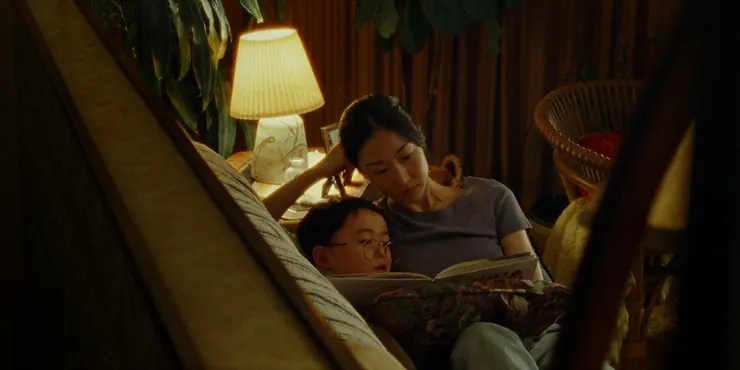
Angh skirts the division between ethnographic documentary and historical drama with its painstakingly immersive portrayal of tribal life in Nagaland, a state in northeast India. With only its stoic leader and his non-verbal son left to keep its traditions alive after the matriarch succumbs to illness, viewers see the daily life of the characters (captured on deliciously grainy 35 mm film) as they navigate the stark emptiness of the village and resist the winds of change that motor vehicles, new roads, and European missionaries represent. As Anghba begins training up his son, ostensibly the last bastion of their tribal ways, the child’s curiosity leads him outside his father’s rapidly dwindling sphere of influence.
There is rising tension with former villagers who have already accepted the clothes, food, and medicine offered by the European priest, which vastly improve their lives, but Angh does not fully villainize the external forces that help to bring about the end of a previously untouched way of life. The film acknowledges the impossibility of impeding the path of advancement (medical, technological, etc.) even as the protagonist clings on mightily as a man of his standing must. For Anghba, he is tasked with upholding an entire tribe’s way of life, for the spirits of the ancestors that rest on his shoulders and for the young child left in his care. Amao, the silent son, bears witness until he cannot take it any longer and is pushed to act in the film’s heartstopping climax.


While Angh has a deliberately slow pace and sombre tone, a couple of scenes truly stand out. In one, the stomach-turning brutality, part and parcel of the tribal death ritual (removing the head and boiling it down to the skull), is quite gruesome, but allows the characters to show their reactions: Anghba as serious and unflappable, while Amao observes quietly, upset and conflicted. The debate also arises whether or not all the old ways of life are worth holding on to.
In another scene, the chief’s envisioning of his once vibrant, living, and joyful community in collective celebration provides an outstanding moment that makes the past feel incredibly vivid and transcends the otherwise elegiac atmosphere of the rest of the film. Suddenly, every museum collection of tribal artifacts I have ever seen feels incredibly meaningful, the objects given back their warm, practical usage, instead of cool, intellectual significance. Angh’s most sublime moment serves as the film’s raison d’etre, a reminder of humanity’s past, its darkness, and its light.