“Crossing is not the hardest part, it’s what you cannot carry with you”: A sentiment morosely intoned by the protagonist Maryam (Vishka Asayesh) in Ali Samadi Ahadi’s Seven Days who forms the central dilemma of the film. An Iranian human rights activist imprisoned for six years in Tehran, Maryam has been granted a seven-day medical leave when her brother Nima (Sina Parvaneh) presents to her a covert opportunity to escape from the country and reunite with her family, now living in Germany.
Seven Days explores the burdens and complexities of her plight in both directions, the pain of being separated from her family for so long in the name of her activistism, but also the guilt of abandoning her battles for equality and democracy in Iran should she flee. The duality of this conflict within Maryam is most apparent as she travels through underground escape networks to reunite with her family.
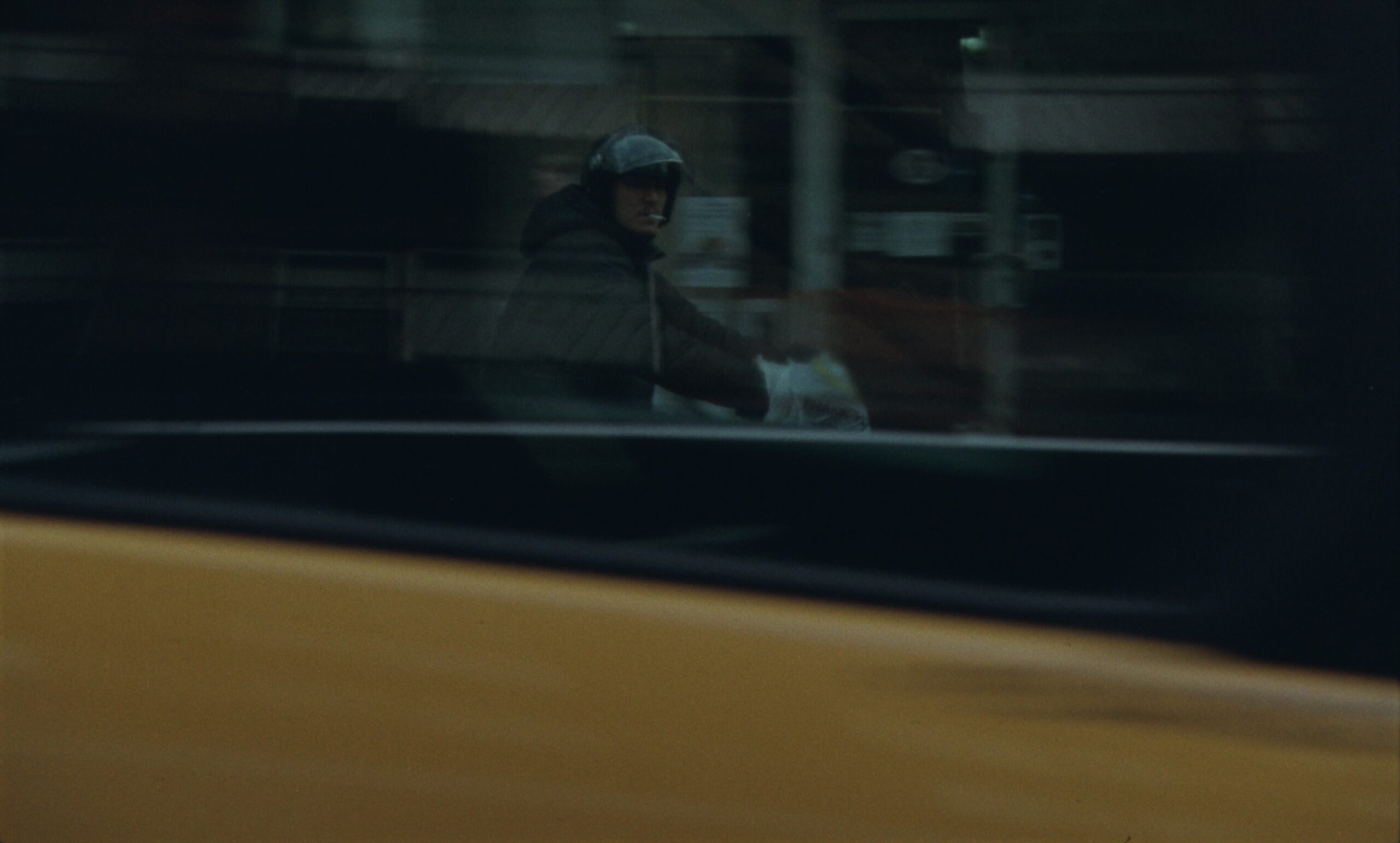
With twitchy, unstable camerawork that frequently destabilises our perspective of the characters from the outset, the paranoia that envelops Maryam’s situation is evident even before we are introduced to her. We meet her family in Germany, where her father Behnam (Majid Bakhtiari) is making last-minute preparations for their trip to reunite with Maryam. Her son, Alborz (Sam Vafa), seems excited enough to see his mother again, while his sister, Dena (Tanaz Molaei), is decidedly less enthusiastic, cynically wondering if their mother cares about seeing them again at all.


Though their exchanges are largely generic pleasantries, the tension of the situation is palatable, and as we move to Tehran and meet Maryam, we understand her feelings towards reuniting with her family are more complicated than simple happiness. The conflict between her civic duty and the obligations towards her family are what set the tone for the rest of the film.
Asayesh carries the film brilliantly, bringing to life this enigmatic figure so tangibly. In her initial protest against her brother’s plans for her to escape, you see the stubborn personality that frustrates others but also, is the core of what makes her such a defiant activist. We only catch glimpses of her work — seeing her get in touch with other activists to call a strike and trying to get medication for a fellow prisoner, in spite of being warned against dabbling in politics during her leave — but through Asayesh’s work we get a fully rounded sense of her dynamic personality who hates the very idea of shirking her duty to others.
As the film progresses, Maryam plays every sequence of her burgeoning paranoia terrifically as she rushes to see her family within this limited time frame. “Go, don’t look back. All this hardship is behind you,” a childhood friend implores her, insisting that Maryam can continue her activism from abroad in her own ways. As her personal situation becomes all the more precarious, the welfare of others back in Iran weighs on Maryam’s spirit continually.
The intensity of the journey is essential with Ahadi’s vivid depiction of the treacherous hikes across snowscapes. But where the film becomes most potent is when Maryam finally reunites with her family in a small outskirts village in Turkey. It’s here that Mohammad Rasoulof’s (who also directed this year’s The Seed of the Sacred Fig) screenplay fully comes into its own, no doubt harnessing some of his own experiences as an activist and prisoner in Iran to infuse into Maryam.
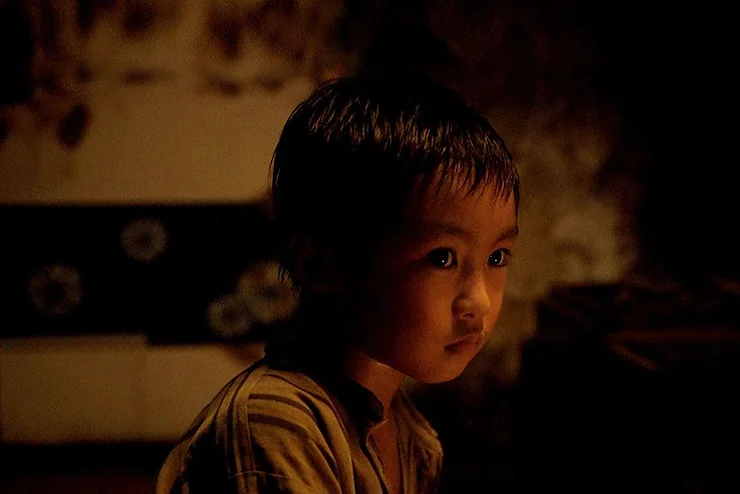
There is love and joy to be found between Maryam and her family, but there’s also much pain and regret with regards to the time that they’ve missed. “You’ve missed some key moments in her life,” Behnam notes, as Maryam tries to bond with the bitter Dena; even young Alborz has some complicated feelings over the situation. And while Maryam is overjoyed to be in their presence, there are moments where she feels disconnected — her mind elsewhere.
When Maryam speaks to her family about her work in Tehran, the response feels like repetitive platitudes, a stylistic choice of the dialogue that reinforces the family’s perspective of her prioritising her activism over them. But to us, it rings true, because we have gotten to know Maryam, and know that she means every word she says regarding the sacrifices she has made for the welfare of others.
Ahadi and Rasoulof grapple eloquently with the family conflict, granting much empathy to Dena, especially in showing how the resentment towards her mother isn’t unfounded. There’s also occasions of clever subversion of Maryam’s hero status as an activist, a scene where she gets recognised by admirers of her work is brilliantly framed as, less a heartwarming exchange, but rather, one of great anxiety and fear at her potentially being discovered.
The final act of the film also explores whether Maryam has had familial obligations enforced onto her and must pay a disproportionate toll for her selfless activism. This latter idea is perhaps less developed within the scheme of the film, and could have benefited from more screen time and in-depth exploration.
Nevertheless, what Seven Days captures cleverly is the personal and human cost of fighting for human rights, gripping and deeply emotional in paying homage to figures like Maryam, and the blunt toll of resilience.