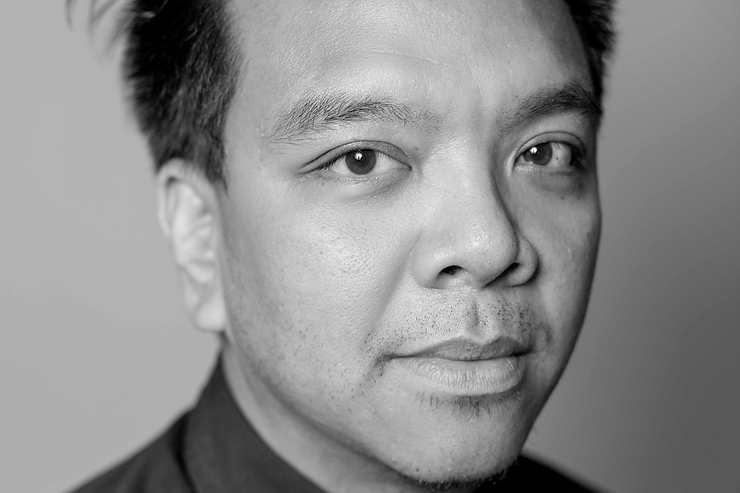
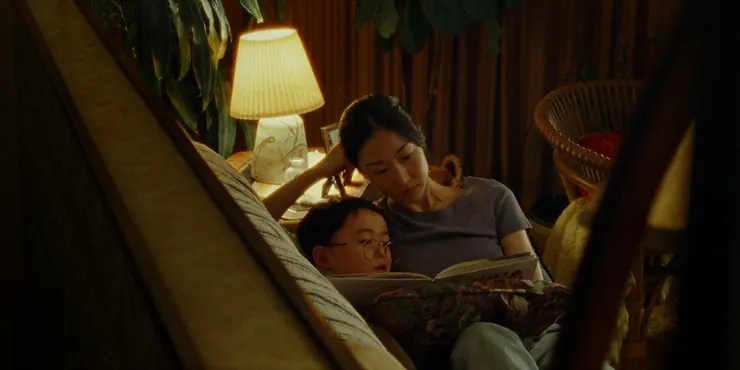
The most effective use of the documentary form for activism is when the camera goes beyond merely capturing the resistance, and becomes a tool of resistance in itself. No Other Land documents the processes of demolition and erasure of the Masafer Yatta community on the West Bank by Israeli occupation, through the eyes and camera of Palestinian activist Basel Adra.
Growing up in Masafer Yatta, Adra observed from a young age how people around him would film the community’s mass expulsion by Israeli troops and decided to follow in their footsteps: “I started filming when we started to end,” he remarks . What results is a powerful, unsparing documentary that utilises the camera as not just a means of documenting the resilience of the Masafer Yatta community, but as a means for its survival against oppression.
Forming a collective with fellow filmmakers Yuval Abraham (an Israeli journalist), Hamdan Ballal (a Palestinian photographer and farmer), and Rachel Szor (an Israeli cinematographer, editor and director), Adra and his collaborators sought to make a film that would articulate and speak out against the brutal realities of the apartheid that the Masafer Yatta community have found themselves trapped in since the 1980s. Adra’s footage documents the community’s way of life in great detail, honing in on his family and in particular his father, an outspoken figurehead against the Israeli occupation and an inspiration for Adra’s own activism.
We see the ways the community’s day-to-day lives are uprooted and torn apart by the military as they destroy Palestinian infrastructure en masse in the largest single act of forced transfer ever carried out in the occupied West Bank. The camera captures with brutal, unsparing detail, the destruction of homes, farmhouses, playgrounds, and schools making way for military training grounds for Israeli troops. The pithy lack of concern or care by the troops for Palestinian civilian lives is shown in horrifying detail as they flippantly evict villagers, casually issuing notices, and disposing entire livelihoods without a moment’s hesitation.
Particularly haunting is footage shown of the mother of a paralysed Palestinian youth, Haran Abu Aram, who was shot in front of her defending their property; the military will not allow her to even build a new home for him, forcing him to live in a cave with no hope for a better living situation in sight. Building tools are confiscated from villagers, and any attempt to rebuild their lives is met with brute force. “We want to live like you’re living,” cries one of the villagers, articulating the predicament of the Masafer Yatta community as their simple wish for a normal life is continually upended by the flippant destruction of their land and the oppressive regime not allowing them to rebuild, a deadly cycle the film captures with such detail.
We get a firsthand look at the horrifying circumstances of Palestinian activists through coverage of their protests as they are attacked by stun grenades and physical assault by the military. The handheld footage brings us into the pain and struggle by Adra and his fellow activists as they endure brutal assaults to document their gruelling reality for the world to see.
The resilience of the Palestenians is bluntly shown to stem from the basest will to simply survive on their land. “Masafer Yatta exists for one reason: people who hold onto life,” Adra says. The film shows the community fighting against the regime not for some higher glory, but simply to stay on the land, the land they have always known and must suffer for to stay on it.
Adra’s vulnerabilities become particularly poignant as he expresses exhaustion and frustration as activism takes its toll on him and so many others. He trained as a lawyer but any hopes of him finding employment have been dashed by the oppressive regime. Any dreams and hopes for the future must be put on hold as he commits to the cause of fighting against his community’s expulsion like his father before him.
The collective burden and stress of the Masafer Yatta community in their fight for survival becomes palpable. They are far from invincible and infallible, which makes their resilience all the more admirable, but also heartbreaking as we watch them pushed to their limits.
Some respite is found in the film through the unlikely partnership between Adra and Abraham. Their burgeoning friendship evokes great power as their warmth and camaraderie creates moments of solace as they find hope and determination in one another to show the story of the Masafer Yatta to the world.
The contrast between Adra and Abraham offers an effective insight into the disparities between their two countries. We see Abraham’s privilege, participating in journalistic endeavours but with the ability to roam unrestricted and free as an Israeli, while Adra and his family are confined to living under brutal military oppression. Abraham speaks of how learning Arabic at university challenged his political views and encouraged him to pursue activism to speak out against the oppressive Israeli regime — juxtaposed with Adra who was born into circumstances where there was no other option but to fight for it.
Perhaps most striking is a conversation where a disheartened Abraham bemoans the lack of international interest for the footage they have shot of the occupation, followed by Adra gently making fun of his idealism that they could achieve results against the regime in a matter of days: “get used to failing, you’re a loser.”
No Other Land doesn’t hold back in showing just how bleak and hopeless the resistance against oppression can be. It implores us to help give voice to the voiceless, in the hopes that the Masafer Yatta community, and Palestine as a whole, will find a path towards regaining their rightful home.