Hou Hsiao-hsien can simply do no wrong. Seeing his name grace a film’s opening credits is probably the most accurate litmus test for cinematic quality, and with Missing Johnny, this cardinal rule of contemporary Taiwan cinema remains the case. Although not void of any imperfections, Missing Johnny serves as a thoughtful examination of modern day existence from first time director Xi Huang. It’s a solid debut from a budding talent here to stay.
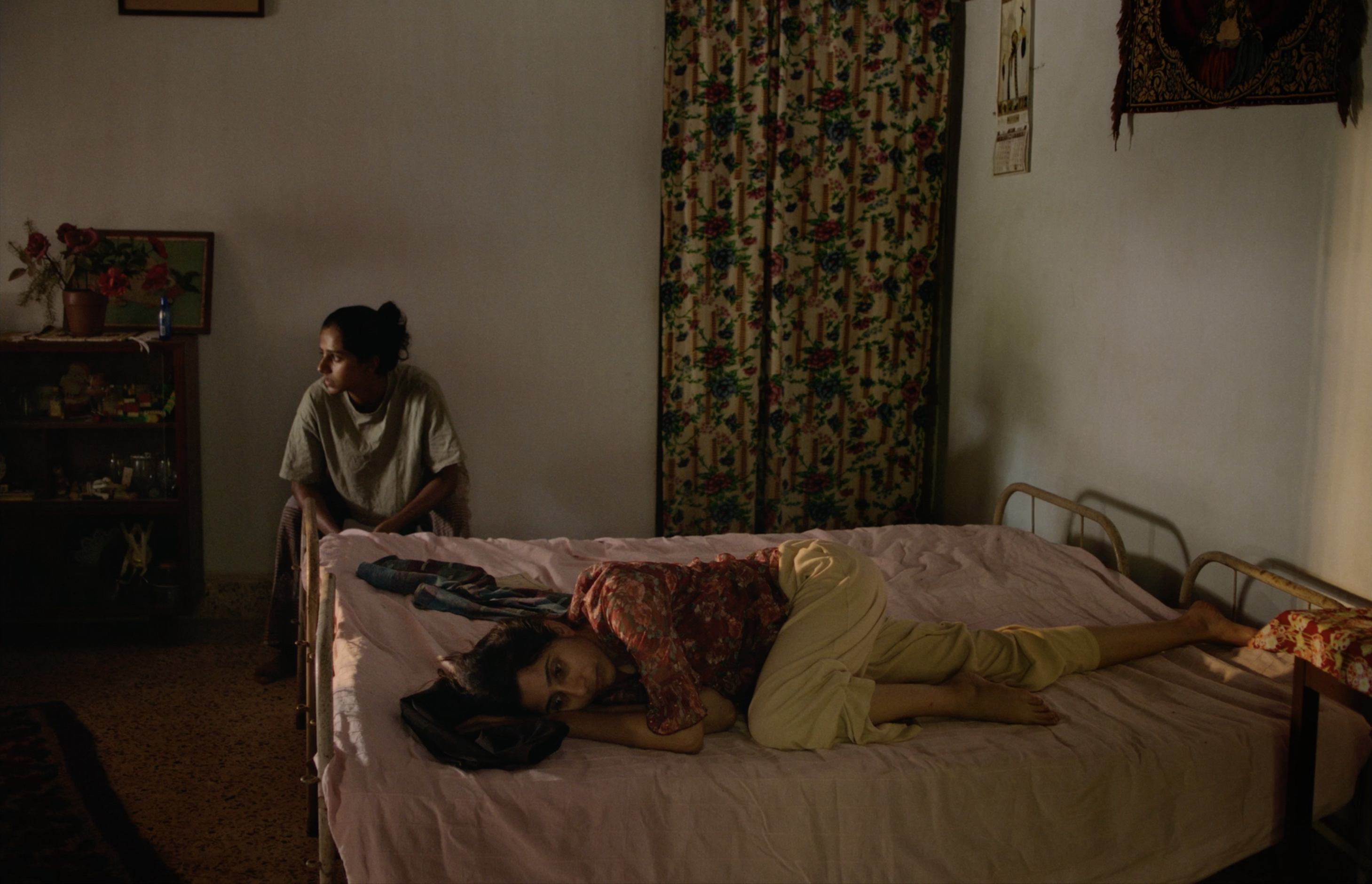
Missing Johnny primarily revolves around three seemingly unrelated central characters: Feng (Lawrence Ko), a workman who we see taking odd jobs but seems to have a solid network of support around the city; Li (Sean Huang), an autistic adult male who has a strong bond with his mother, relying on sticky notes to help drive a daily routine; and, Hsu (Rima Zeidan), a woman living alone in the city with a penchant for housing pet birds.
At the start of the film, there’s a palpable sense of stability in these characters’ lives that almost feels mundane and stale. Though these characters do cross paths and friction slowly builds, the plot remains quite thin. A recurring motif is Feng’s car breaking down, with two separate scenes depicting the physical act of pushing a stalled car with intense effort. This struggle of pushing through physical deadweight metaphorically mirrors the internal conflicts imposed onto each of the central characters’ day-to-day lives. Even though nothing overly exciting happens, the film carries this thematic angle on its shoulders and guides audiences through a thought provoking exploration of what it means to stare life straight in the eyes, rather than avoiding its sharp gaze.


With minimal dialogue and theatrics, Missing Johnny relies heavily on its actors and this is perhaps where the film shines brightest. The film marks Zeidan’s feature film debut with a performance that garnered a few statues of praise (including a Golden Horse Award for Best New Performer). While Hsu is clearly a strong-minded character who values independence, a few pivotal scenes also underscore how vulnerable and lonely she actually is.
One particularly striking scene sees Hsu storm off from an argument with her long-term partner, only to find herself seated in Feng’s car in silence. The silence continues as Feng enters the car to find her right next to him, with Zeidan creating a calculated, yet intimate distance with both Feng and the viewer. It’s never completely clear what she might be thinking, but her emotional state of mind is clearer than water.
Credit must also be given to her co-stars, including the ever dependable Ko. His character Feng doesn’t say too much, but with a truly guided performance by Ko, we never regard Feng as a thoughtless character. Although we don’t know too much about Feng’s backstory, it’s clear that there exists a rich history to this characterization, which comes alive thanks to a strong performance. The same could be said about Huang, who never portray’s Li’s autism in an over the top manner. For a film that relies so heavily on subtle character details, the main cast is simply superb.
The subtle nature of Missing Johnny makes it both an impressive, yet flawed effort. Xi guides viewers in a way that places them as passive observers, peering into the lives of these individuals. It’s an approach that works fairly well, and creates a sense of normalcy that produces relatable characters and emotions.
The film contains a strong scent of Hou, without complaints, of course. However, where Hou interjects his world of calm calamity with spurts of intensity when needed — The Assassin comes right to mind — we don’t necessary get that with Missing Johnny. When dramatic things happen, like Hsu and Feng witnessing a domestic dispute near the end of the film, Huang doesn’t amp things up to an analogous level. It might seem like a minor setback given that these dramatic scenes are few and far between, but these scenes carry a lot of weight in a film like this and its delivery matters more than one would think.
Even though Missing Johnny isn’t flawless, it’s a fine directorial debut from someone who seems to have sufficiently impressed the great Hou Hsiao-hsien. If that stamp of approval means anything to you, then you’ll be sure to keep tabs on what Xi does next.
This review was first posted at VCinema on July 6, 2018 as part of coverage for the New York Asian Film Festival 2018. This review has been edited and reposted with their permission.