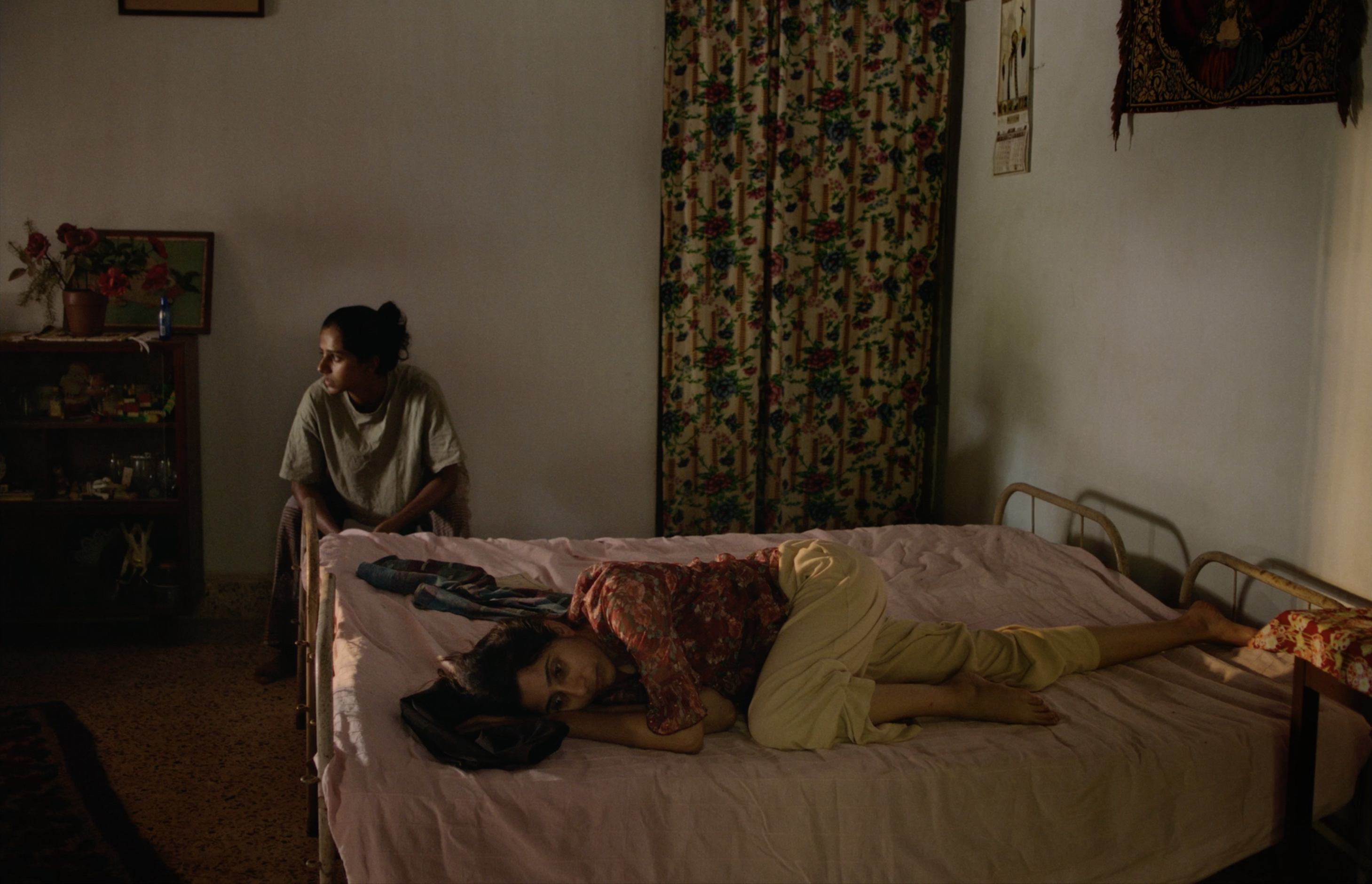
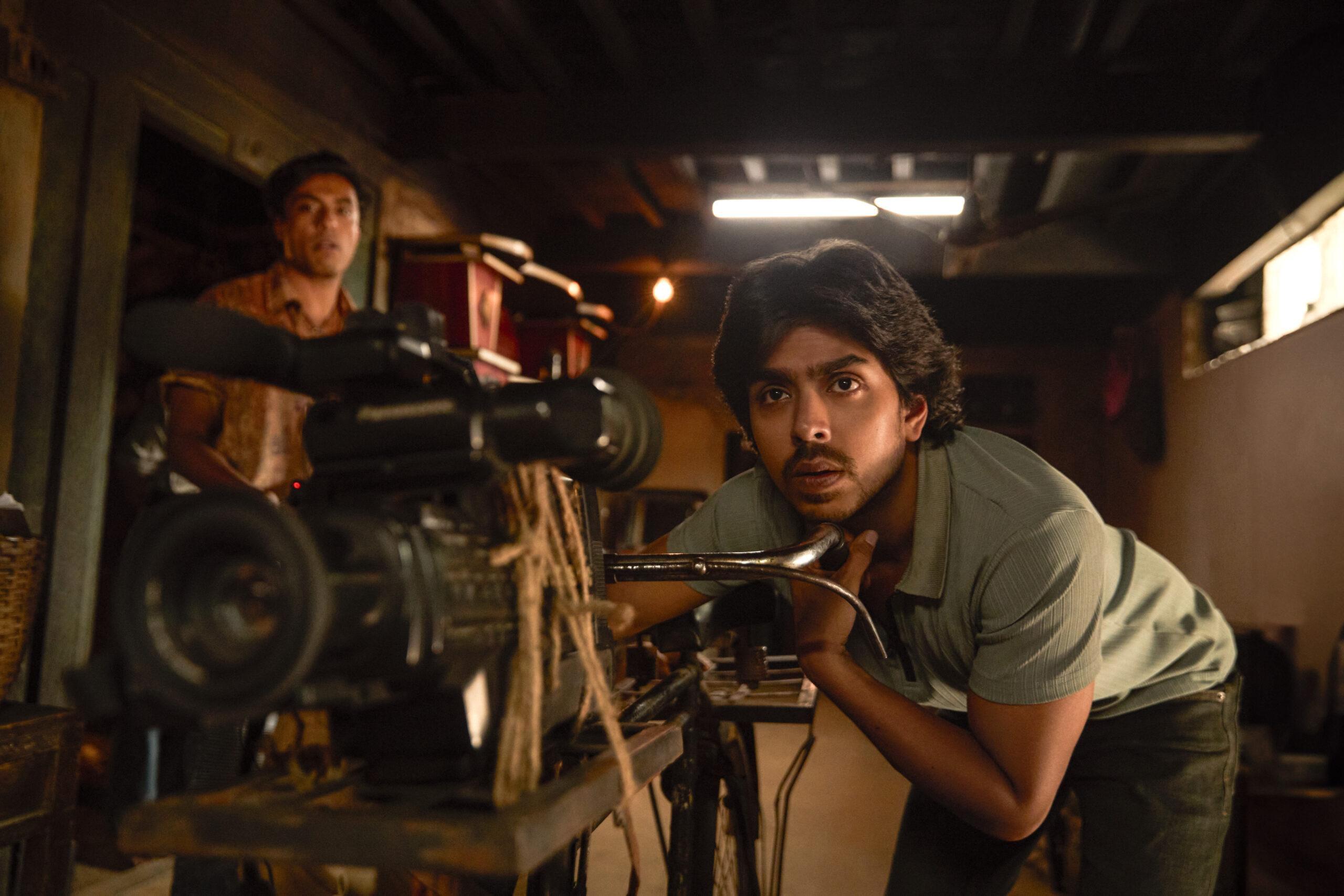
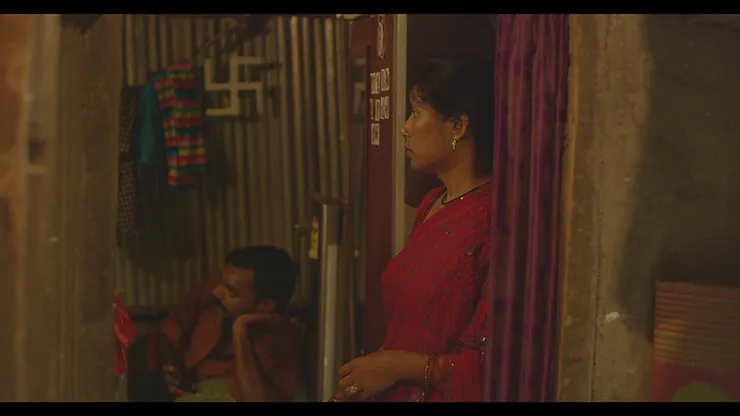
Malayalam cinema has always been something of an underdog amidst the regional South Indian film industries. Recognized for a strong filmmaking culture with an experimental and story-driven focus, it had yet to partake in the Pan-Indian phenomenon, which took ground some years ago on the back of Telugu cinema’s penchant for high-octane blockbusters. But a new shift has appeared in the ongoing dominance of South Indian cinema within the Indian film landscape. Fuelled almost fully by audiences hungry for good films, Malayalam cinema has begun to receive its long-overdue turn in the limelight.
The folk horror film Bramayugam is one of a handful of recent releases that are spearheading the increased exposure of Malayalam cinema on the national level. It seems that the movie came into being at just the perfect time, as it presents a completely novel experiment in modern Indian cinema: the movie is shot entirely in black-and-white.
Primed with hit films like Kantara and Tumbbad, the Indian audience has developed a new appreciation for movies rooted in local culture and folklore. For the Malayali audience, there is an added relevance to the Bramayugam team: director and writer Rahul Sadasivan has already proven his horror chops with the 2022 movie Bhoothakaalam, impressing critics and audiences alike with its complex themes and eerie cinematography. At the same time, the movie is led by star actor Mammootty, who went through a late-career renaissance, going on a streak of experimental roles that in itself is termed a phenomenon.


Set in the 17th Century, the movie has an effective setup. Thevan (Arjun Ashokan) is a palace singer on the run following political upheaval at work. Lost in the forest for days, he comes across a dilapidated mansion, where the darkly enigmatic Kodumon Potti (Mammootty) lives a lonely life, attended only by a cook (Sidharth Bharathan). Accepting the hospitality of this mysterious benefactor, he realises too late that he has stepped into a supernatural trap, where time comes to a standstill.

In a fashion befitting Malayalam cinema, the horrors of Bramayugam aren’t found in any lowbrow attempts at inciting terror. Instead, the overbearing sense of entrapment in a sinister limbo is the feeling that weighs heavily over each scene, creating an exquisite tone that defines the viewing experience. Thevan’s journey is a bleak one of realising his own powerlessness in this strange realm. Bearing through an unshakeable feeling of threat and mystery, he begins to learn and accept his new role as a plaything of Kodumon Potti.
Accompanied by the soundtrack of ominous and agonised strings, the black-and-white visuals conjure a powerful disconnect from reality, bringing the weariness of the mansion’s strange timelessness to the fore. There’s a sense of entrapment here by the way the movie presents the endless nooks and crannies of the mansion, dimly lit by primitive lamps and claustrophobic underneath the shade of trees and its many hallways. Amidst this, the true realisation of his plight comes to Thevan through many casual conversations with the volatile and controlling Kodumon Potti. Mortal threats come in between harmless reprimands, existential traps are set as bets in an obscure board game, and evidence of supernatural forces insert themselves in an offhand manner.
This apparent monotonal progression serves to heighten the very same dreariness and timelessness. Time acts as the object of horror, exhibiting an era of godlessness as referred to by the title: Bramayugam, the worst phase of Kali Yuga, marked by exodus of the gods. As a chettan in disguise — a common folklore creature from South India, equivalent to a goblin — Potti embodies this concept, vehemently shunning any concept of religiosity.
Mammootty disappears completely into Kodumon Potti, achieving a delightful and surprising feat. Having built his career as a star actor playing classic Indian heroes for the most part, it is a marvel to witness him take on an antagonistic role that is far from a conventional villain — he brings the chettan to life, embodying the dominating persona in a way that feels like it’s almost second nature to the actor.
The magnificent web of dreary, existential horror that Bramayugam weaves through much of its runtime comes to a disappointingly conventional climax, as the movie opts for a direct face-off against the goblin. It’s a somewhat abrupt turn brought on by a late reveal of the mansion’s history, explained away through a rather simple twist. That said, what sustains through the extended climactic event is the movie’s effective cinematographic vision, and the well-crafted temper of a bygone era that is vividly alive in the action and physicality of this sequence.
The conclusion quietly ties up and solidifies a political allegory underpinning the movie’s events, leaving an open question to both the filmmaker’s ultimate statement as well as its supernatural lore. The movie opens with a pointed detail that establishes not just the time period of the setting, but also its location as 17th Century Malabar. This is a region situated in the southwest part of India, and was a centerpoint of the Portuguese occupation of India. The detail serves to ground the final scene of the movie, as the supernatural events of the mansion are overshadowed by the arrival of Portuguese colonisers.
Combined with a few scant hints scattered earlier in the movie, the final scene frames Bramayugam as a representation of the power struggle between the classes, where control and exploitation are the major objectives of those in power. The arrival of Portuguese colonisers at the conclusion of the supernatural saga within the mansion comes with the implication that the power struggle between the classes continues indefinitely.
At the same time, the movie also acts as an excellent allegory for addiction, where the instinctual human knowledge towards self-betterment disappears upon giving in to a temptation. The concept of bramayugam, in this viewing, can represent the loss of that fundamental human instinct for self-betterment.
Bramayugam manages to strike a definitive chord in the average audience despite the relative absence of big thrills that is typically expected of the commercial Indian films that aim at the big box office numbers. Replacing those big thrills is another kind of appeal that, at its most fundamental, is simply the decision to make a modern black-and-white horror film. But it goes beyond just that; Indian film analysis channels on the internet are growing faster than ever, and it hints towards a domestic audience that is quickly learning to enjoy cinema with a more watchful eye, eager for deeper lore ripe for analysis. Bramayugam comes with elements new as well as familiar, offering just the right kind of thrills and questions for audiences to appreciate.