When I first came up with the idea of starting The Queer Dispatch as The Asian Cut’s column dedicated to LGBTQ+ cinema, there was no question that Hong Khaou’s Lilting was going to be the introductory film. Along with being the first gay Asian movie that I ever saw, there’s also the fact that it came out during a really interesting period in queer cinema history. Lilting had its world premiere at the Sundance Film Festival in 2014, and while it was a micro-budget feature — and Khaou’s directorial debut — that only saw a very limited release, the film did shine a light on a kind of queer grief and anger that, with the benefit of 10 years’ hindsight, feels decidedly Millennial.
We can certainly look back at the 2010s as game-changing years for queer cinema insofar as mainstream representation and global embrace are concerned. Between the door being held open by indie films of the previous decade — made possible by the trailblazers of the New Queer Cinema movement of the ‘90s — and the long overdue progress in sociopolitical discourse, legislation, and attitudes, the 2010s felt like a collective stepping into the sun for queer storytellers and audiences. Gay characters and storylines were in Oscar-winning movies and on prime-time TV, and, eventually, major Hollywood studios and streaming platforms followed suit.
That said, it wasn’t the smoothest or most linear journey to mainstream success throughout this decade. In fact, most of the major LGBTQ+ films associated with the 2010s (from Carol and Moonlight to Call Me By Your Name and The Handmaiden) came out in the latter half of the decade. Perhaps it’s because same-sex marriage wasn’t legalized in the United States until 2015, but queer cinema between 2010 and 2014 still felt largely independent — not in a niche or “underground” kind of way that defined the films of New Queer Cinema (which completely rejected heteronormativity and tradition, and thus embraced individuality and living on the fringe), but unless it was an awards darling like Brokeback Mountain or Milk, gay movies during these years, more often than not, went unnoticed by average, non-queer audiences. Khaou’s Lilting is one of these gems.
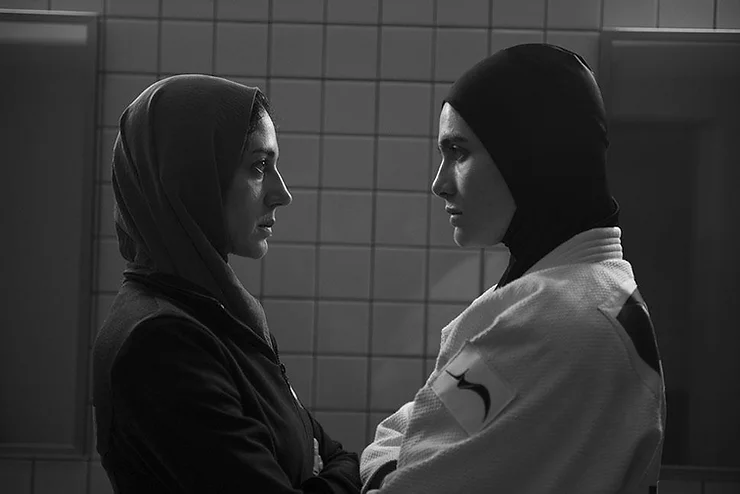
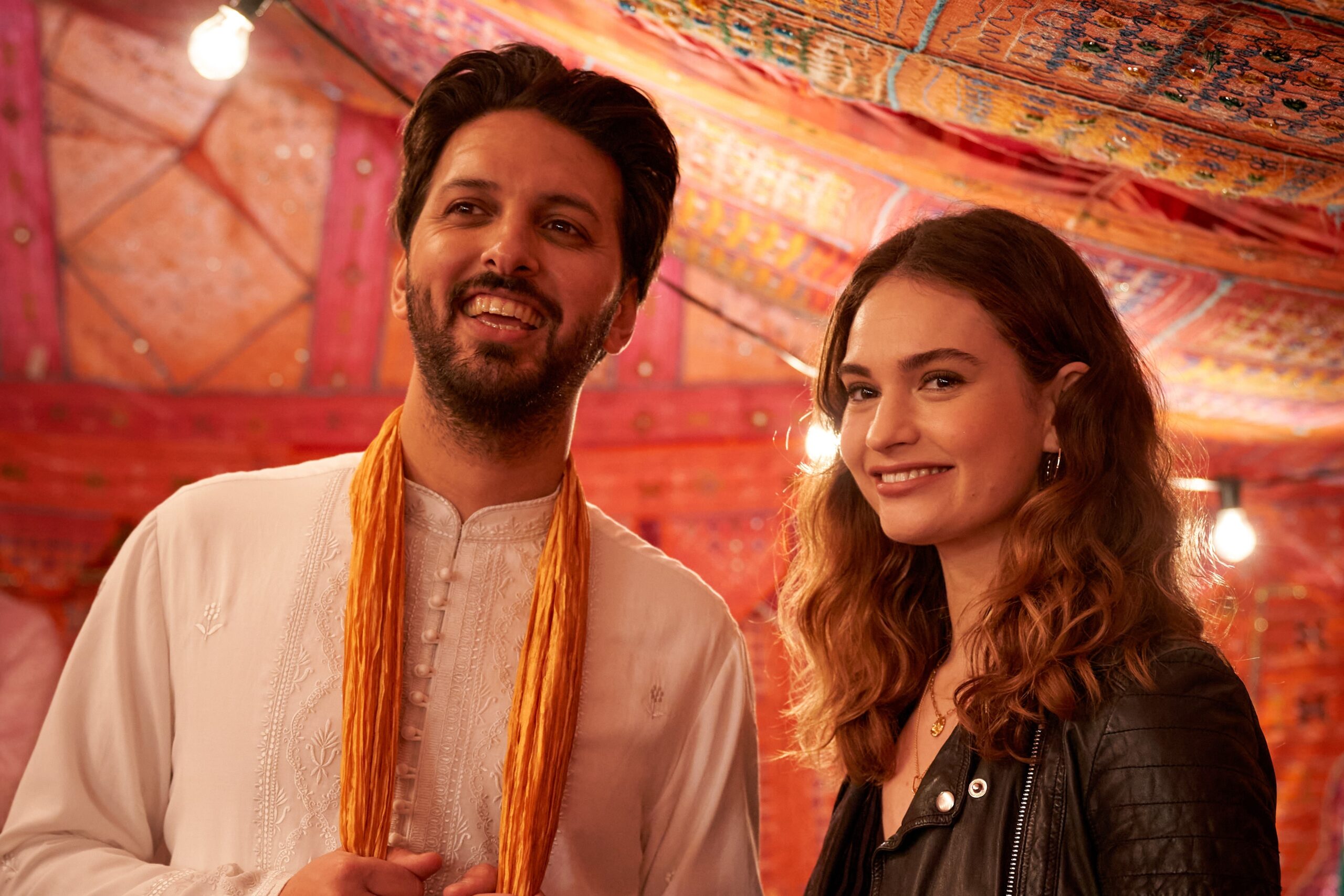
The film stars Cheng Pei-pei as Junn, a Chinese widow living in a retirement home in England. The only family she had was her recently deceased son, Kai (Andrew Leung). What Junn didn’t know about her son was that he was gay and that Richard (Ben Whishaw) was his lover and not just his flatmate/best friend. She never really liked Richard, even when Kai was still alive, and it doesn’t help that she doesn’t speak English and he doesn’t know Mandarin. But, out of love for Kai and wanting to make sure Junn knows she isn’t alone, Richard decides to hire a translator, Vann (Naomi Yang). Even still, the pair knows that grief is hardly straightforward, and neither is the film, weaving together past and present as Junn and Richard relive their final conversations with Kai, memory being made real.

One noteworthy aspect of Khaou’s film is the role language plays in one’s queerness, particularly Kai’s. His happiness hinges on him being able to come out to his mother: he sees how unhappy Junn is in the retirement home, but can only invite her to live with him and Richard after he tells her his truth. If he doesn’t, he is forever doomed to continue lying to her and keeping her at a distance. In this way, language is the vehicle for identity, which is a universal experience for many queer folks; finding the right word to name oneself is a fundamental beginning. For Millennials who came of age in the late-2000s and early-2010s, specifically, coming out and being able to finally say “I’m gay” were monumental.


As Lilting illustrates, the failure of language to fully realize one’s queerness results in tragedy. But the film isn’t simply interested in wallowing in grief, but relishes in the misunderstandings and miscommunications between the characters, both in life and after death. For Richard and Kai, there are infinite words left unsaid, love forever unfelt, happiness overturned. Likewise, Junn and Richard not being able to tell each other how they really feel, whether it’s shared grief or mutual resentment, isolates one from the other. Even when Vann takes it upon herself to communicate more than what Richard has asked her to translate, hoping to smooth things over, it further widens the gap between the two. You can see this discord playing out on a formal level as well. Whether it’s a blurring of past and present, of memory and reality — all done practically, too, with clever camera flourishes and the actors’ blocking — or audio edited out of sync, Lilting finds comfort in the uncomfortable.
This is especially significant and radical when considered within the larger context of queer film history. Up to this point, most of the major films with gay leading characters almost always ended in death: Jack Twist is brutally murdered, leaving Ennis Del Mar on his own in Brokeback Mountain; in Milk, Harvey Milk succeeds in becoming one of the first out elected officials in American history, only to be assassinated in the end; and, in a double twist of fate, A Single Man sees George planning his suicide after his partner, Jim, is killed in a car accident, but when he finally makes peace with the loss, he dies of a heart attack.
These are only a few examples of the “bury your gays” trope, which saw tragedy, intentionally or not, as the only “acceptable” circumstance in which gay characters could be portrayed on-screen. For the straight audience, it was almost like an assurance that queer folks were palatable and posed no real threat as long as they were silenced, killed, or dead by the end of the story — after all, these were the days of Don’t Ask, Don’t Tell.
But Lilting resists that trend, beginning with death instead, and, as a result, uses its runtime to effectively sit with the grief and anger. And just as Richard was scrambling to figure out what to do after Kai had died, queer cinema itself was navigating a sort of limbo period. The Tragic Gay Character was no longer the most interesting avenue to explore; what’s more, queer audiences were growing tired of seeing themselves die or end up alone — at the very least, we wanted complexity and multitudinous storytelling.
Lilting was one of many films during this transitional period that answered the call, offering a deeply human story that went beyond the sexuality of its characters — a trend that would exponentially broaden and diversify towards the tail-end of the decade and beyond. It delved into everything that makes us human, asserting that even when we don’t agree, speak the same language, or fully understand each other, the only way we can move forward is by doing it together.