And so ends ten days filled with glitz and glam, but more importantly, a multitude of films that moved us to our core.
Asian filmmakers and stories from the continent and across the diaspora were well represented at the 50th edition of the Toronto International Film Festival. Chloé Zhao’s Hamnet took home the coveted People’s Choice Award, while Park Chan-wook’s No Other Choice claimed the inaugural honour of the International People’s Choice Award and The Furious was voted in as second runner-up for the People’s Choice Midnight Madness Award. Meanwhile, There Are No Words, a documentary by Min Sook Lee, and the directorial debut of Kunsang Kyirong, 100 Sunset, both received honourable mentions from the jury for the best Canadian film awards.
It was another great year for Asian filmmakers at TIFF and picking our favourites of the festival was no easy feat. As our coverage from TIFFty continues to roll out, here are The Asian Cut’s top five movies at TIFF 2025.
It Was Just an Accident
Dir. Jafar Panahi

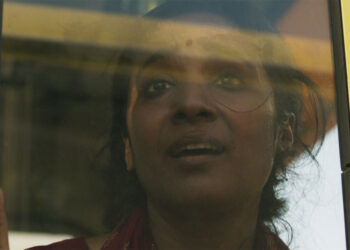
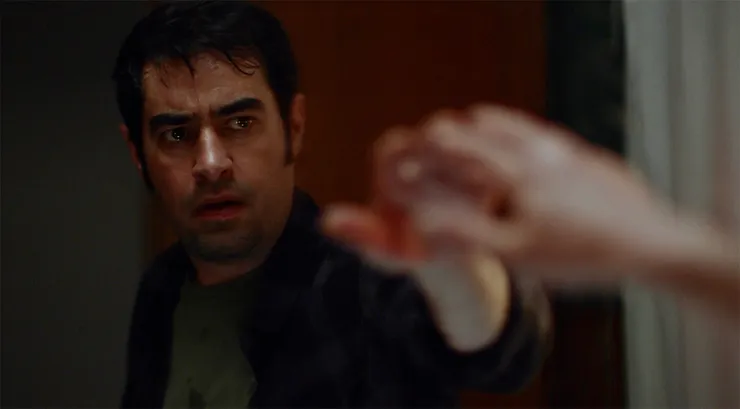
In addition to being my favourite at TIFF, It Was Just an Accident was also the best film I saw at the festival. A deeply human piece that vibrated with pain and rage, Jafar Panahi’s latest also managed to infuse humour and heart. More than anything, it felt like the famed Iranian director held a mirror to our broken souls. That final scene has been seared into my brain ever since the screening, and yet, for a moment so suffocating and unrelenting as that moment was, I find myself grateful for having been able to bear witness to such a powerful work of art.
—Jericho Tadeo
Ky Nam Inn
Dir. Leon Le

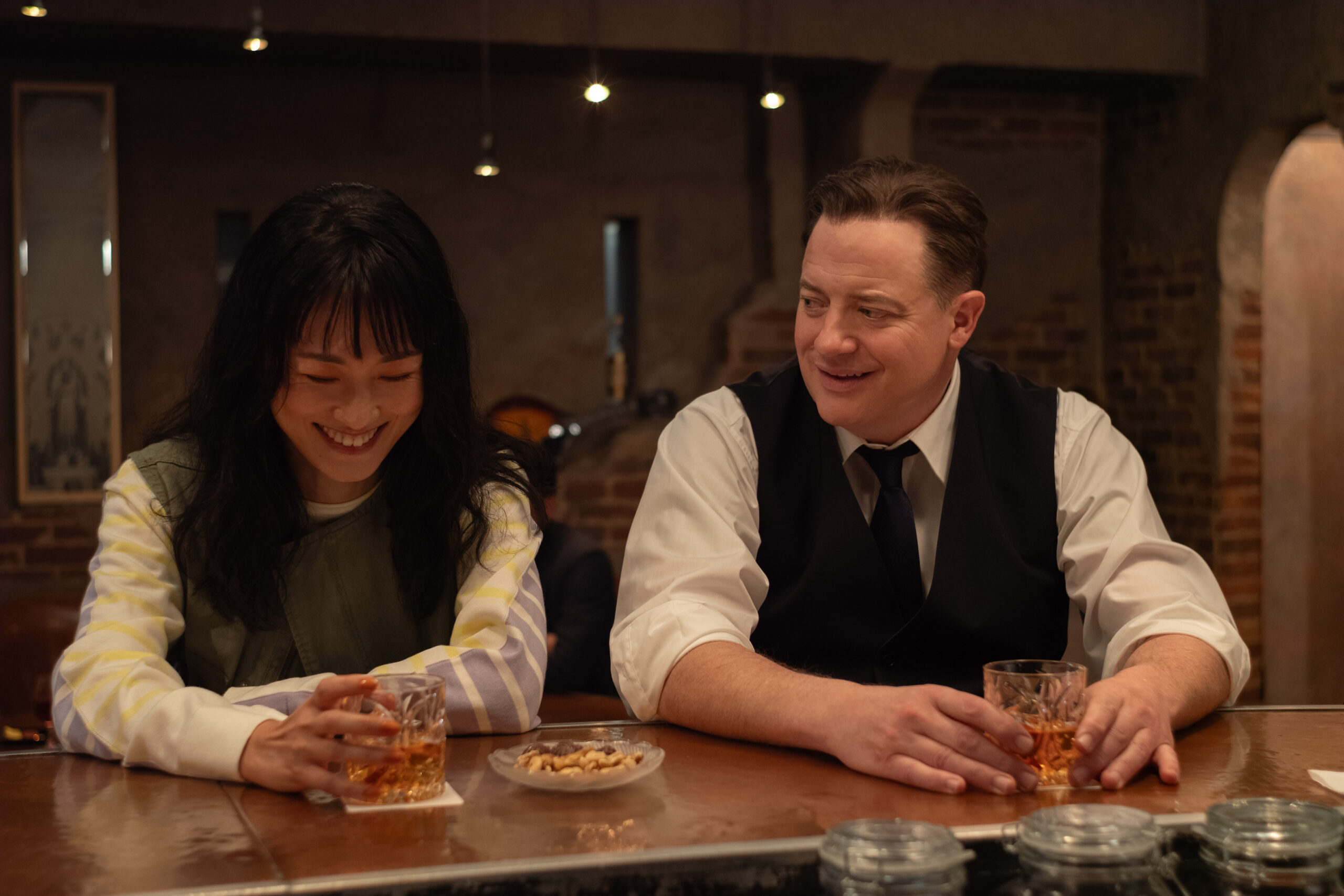
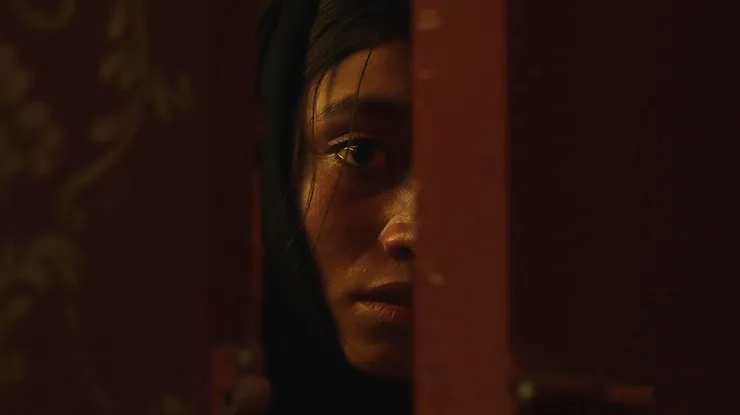
I was struck by the tender beauty of the first still image I saw of Ky Nam Inn, and the movie itself did not disappoint. Positively radiant with light, colour, texture, nostalgia, and romance, Leon Le’s film transports viewers to a past version of Vietnam while inspiring much of the same swooning emotions as a Wong Kar Wai film. It’s the kind of movie that inspires a deeper dig into Vietnam’s history to fully understand the unique hardships of its people and the distinct and beautiful culture they’ve maintained. Plus, the two leads are gorgeous.
—Rose Ho

Left-Handed Girl
Dir. Tsou Shih-Ching

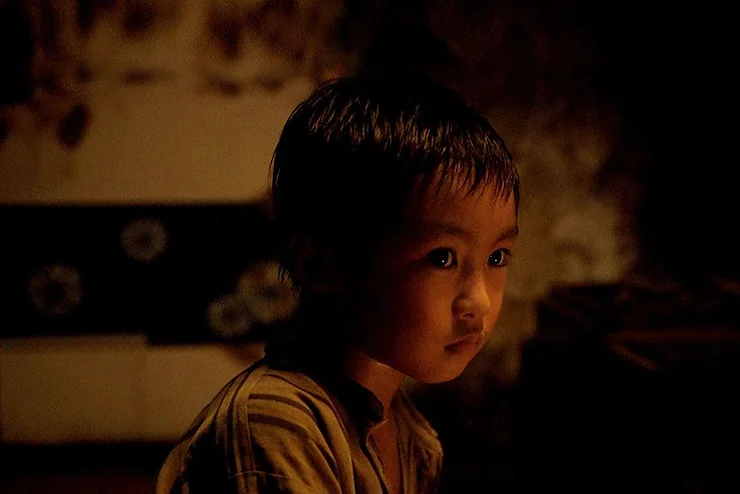
Crafted with a unique level of vibrant buoyancy, Tsou Shih-Ching’s Left-Handed Girl simply delights. When framed through I-Jing, a fiery five-year-old played by a very excellent Nina Ye, the film carries a sense of levity, but it shifts to moments of intense dramatic tension when the so-called ‘adults’ takeover. This mashing of innocence and presumed maturity between characters results in a tactful exploration of cultural norms that highlight the follies of tradition. Reminiscent of stories that Sean Baker — a longtime creative partner of Tsou — often tells, Left-Handed Girl distinguishes itself in its own way. Tsou took almost 20 years to make Left-Handed Girl, but the film promises that her next project gets greenlit much sooner.
—Wilson Kwong
Magellan
Dir. Lav Diaz

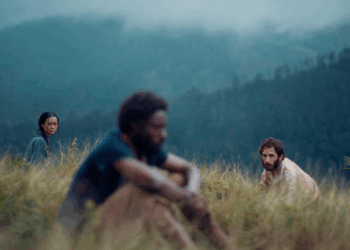
For how boldly it interrogates the very machinery of history, Lav Diaz’s Magellan stood apart at the festival. In less than three hours — brief by Diaz’s standards — it strips away the heroics around both colonizer and resistor, revealing how myth is fashioned to serve power. Gael García Bernal doesn’t portray Magellan as a triumphant explorer but a frail, ambitious man undone by his own alliances; even Lapu-Lapu’s legend proves provocatively unsettled. Long, unbroken takes linger on the human cost of conquest — bodies, grief, silence — without ever tipping into spectacle. And in Enrique, given haunting complexity by Amado Arjay Babon, Diaz restores a voice history almost erased. Magellan is hypnotic, confrontational, and, for me, the most urgent Philippine film of the year.
—Paul Enicola
Palestine 36
Dir. Annemarie Jacir

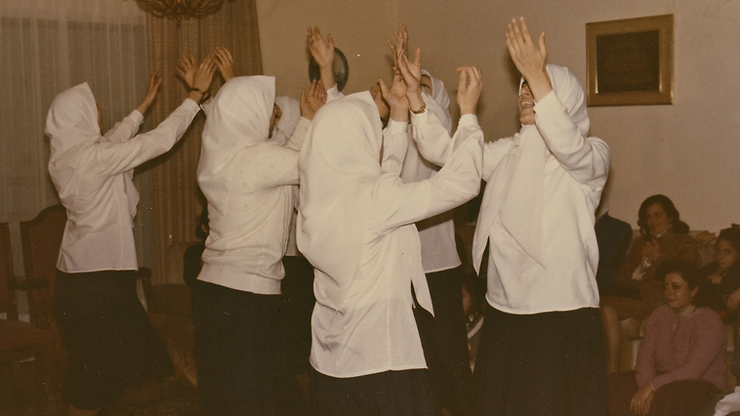
A lot happened at TIFF concerning the war in Gaza, so much so, it stole the headlines from what should have been a golden anniversary year. Annemarie Jacir’s Palestine 36 didn’t necessarily contribute to the protests and online discourse, but it certainly adds some context. Beginning in 1936, the historical drama recounts the knock-on effects of British colonialism and the increasing encroachment of Palestinian land by Jewish settlers. The film, though, doesn’t take aim at the latter group as many may expect. Instead, it takes to task the British government and their actions during this time, as well as looking at the disparity in mindset of the varying economic classes within Palestine. Heartbreakingly rendered and affecting, Palestine 36 serves as a thoughtful jumping off point to understanding.
—Rachel Ho
Check out all of The Asian Cut‘s coverage from TIFF 2025 here!