In the noisy landscape of global cinema — where dialogue is sharp, plots race ahead, and emotions are spelled out — a different kind of storytelling has been quietly unfolding across Asia. These are the quiet films, stories told not through spectacle or speed, but through silences, stillness, and what’s left unsaid. In a region where emotions are often veiled behind cultural restraint, these films do something quietly radical: they let the unspoken speak.
From the architectural stillness of Columbus by Kogonada to the slow, aching introspection of Ryusuke Hamaguchi’s Drive My Car, and even the often-overlooked Southeast Asian indies — these works offer a kind of cinematic breathing room. Rather than demand our attention, they invite us to sit with grief, ambiguity, and longing. They mirror the way many of us in Asia process emotion: gently, indirectly, and through the weight of what we choose not to say.
This soft, reflective mode of storytelling resonates because it doesn’t try to fix pain or resolve tension too quickly. It lingers. It respects slowness. In doing so, these films offer what I’d call emotional familiarity — a sense that, even if we don’t share the characters’ exact stories, we understand how they feel. It’s not because of what they say, but because of the silences they leave behind.
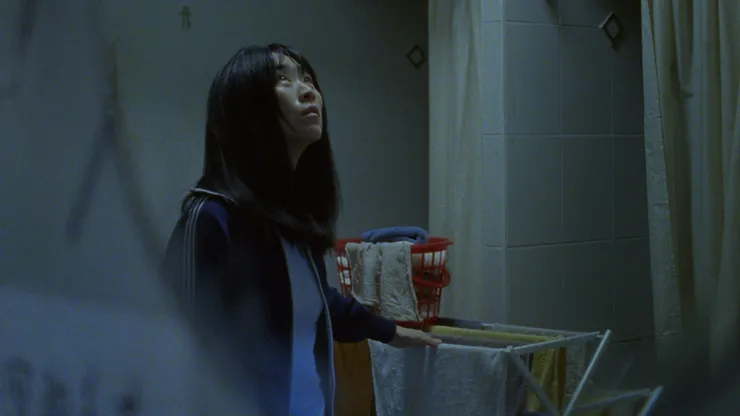
The power of these films lies not in volume, but in presence. In Drive My Car, for example, the longest pauses between characters often reveal the deepest truths. In Columbus, two near-strangers bond not through dramatic confession, but by walking quietly together past buildings and memories. These moments don’t just reflect emotional nuance — they reflect cultural truths: in many parts of Asia, silence isn’t emptiness; it’s expression.
As a viewer who grew up in a culture where silence is sometimes a form of love, of grief, or even apology, these films feel deeply familiar. They reflect something I’ve always known but rarely seen represented onscreen — that stillness, too, can carry power.


Quiet Doesn’t Mean Empty, It Means Full of Feeling
Quiet films aren’t slow for the sake of being slow. They reflect a different worldview — one that values observation over interruption, space over certainty. In many parts of Asia, these values are embedded in daily life. Silence, or the act of withholding, can be a form of care, a sign of respect, or an expression of grief.
In Drive My Car, long silences between the grieving protagonist and his quiet chauffeur are not empty pauses — they’re emotional negotiations. The film doesn’t push for immediate healing; it allows characters to coexist with their pain. This patient pacing, spread across nearly three hours, became one of the most acclaimed international films in recent memory. Its success wasn’t just cinematic — it was cultural. It showed the world that silence, when handled with precision, can speak louder than words.
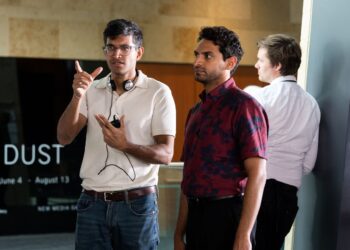
Another example is Columbus, a Korean-American director whose film explores architectural spaces and emotional distance in the quiet town of Columbus, Indiana. The film’s strength lies in its visual restraint. There are no breakdowns, no shouts. Emotions simmer below the surface. Viewers are encouraged not just to watch, but to listen — not only to dialogue, but to breath, to the way someone stands near someone else, to what’s held back. This is a language of stillness, and it’s profoundly moving.
Southeast Asia, too, has contributed to this cinematic vocabulary of stillness. Apichatpong Weerasethakul’s Uncle Boonmee Who Can Recall His Past Lives meditates on reincarnation, death, and memory with a surreal slowness. Characters converse with ghosts as casually as with neighbors. Time feels suspended. The film refuses linearity, reflecting how memory works in many oral Asian traditions — fragmented, sacred, alive.
These films challenge Western ideas that tension must be resolved quickly, or that storytelling must build toward an emotional climax. Instead, they offer an alternative rhythm, rooted in cultural humility and emotional nuance. This approach is especially resonant in Asia, where values like non-confrontation, emotional restraint, and indirectness are often seen not as avoidance, but as wisdom.

The Soft Power of Asian Quiet Cinema
What makes these films especially powerful is that they don’t demand attention — they earn it. And in doing so, they become forms of soft power: subtle cultural exports that shape how the world understands Asia. These stories aren’t about proving something to the West, but about showing life as it’s truly felt in many Asian contexts — slow, layered, inward.
In a media environment dominated by spectacle and immediacy, the quiet film becomes a radical gesture. It slows viewers down. It invites introspection. It doesn’t explain — it trusts you’ll feel it. And that trust is disarming. In festivals across Europe and North America, audiences often emerge from these screenings not just entertained, but changed. They don’t just understand Asia a little better — they feel closer to it.
This is the cultural diplomacy of quiet films. Without overt messaging or political slogans, they allow Asian stories to travel with dignity, complexity, and emotion intact. They don’t scream for global relevance — they whisper, and people listen.
When Quiet Feels Like Home
For many viewers raised in environments where direct confrontation is rare and emotions are often translated through gesture, tone, or silence, these quiet films don’t feel alien — they feel intimate. Watching them is like coming home to a language we forgot we spoke. It’s not just that these films reflect Asian cultural values — it’s that they validate them. They remind us that what we often apologize for — being too quiet, too reserved, too internal — can actually be a strength.
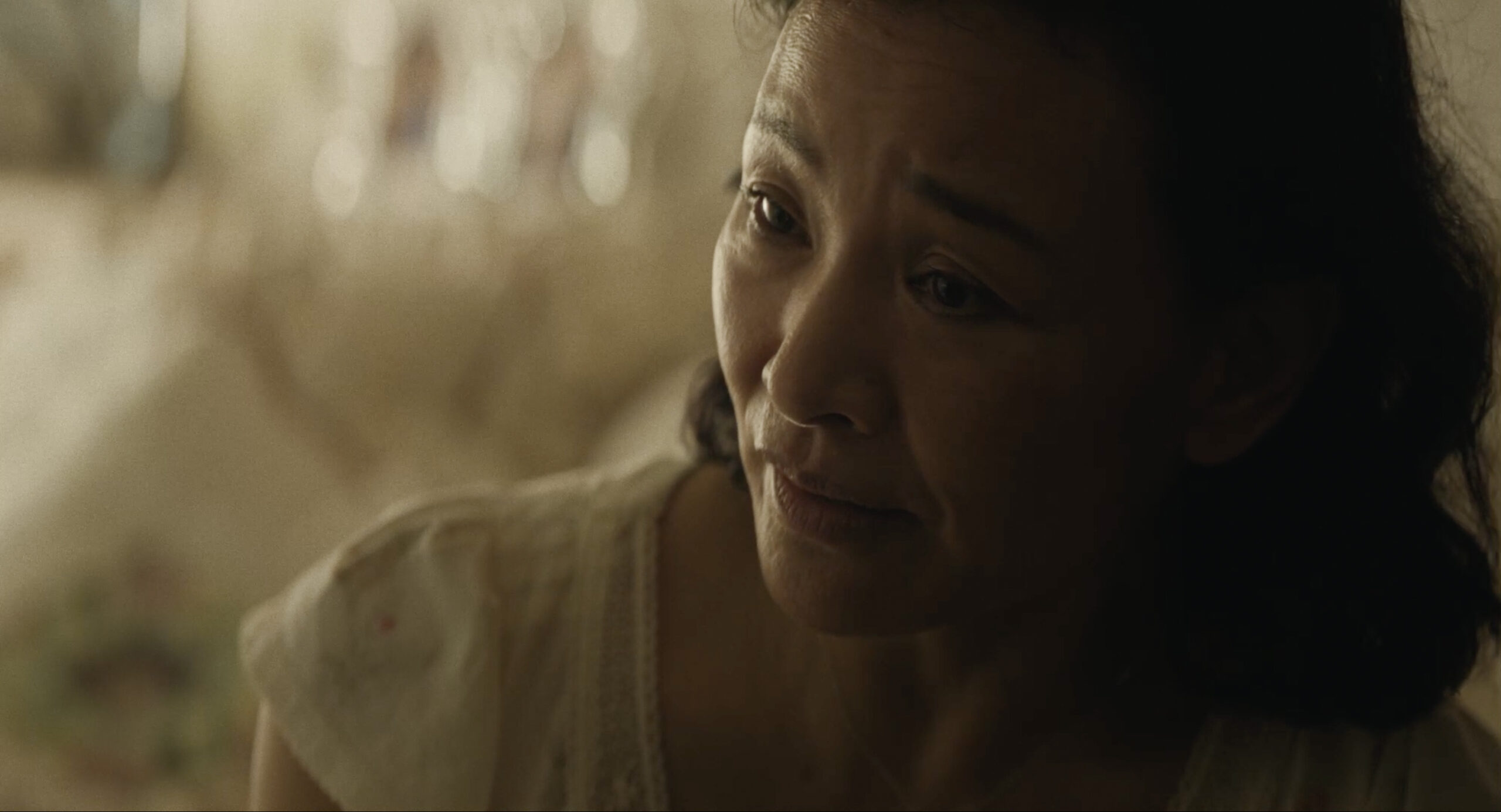
I remember watching After the Storm by Hirokazu Kore-eda late one night, the sound barely above a whisper. Nothing extraordinary happened in the plot. A father tried to reconnect with his son. Rain fell. Memories stirred. But when the credits rolled, I sat still for a long time. The film had reached a part of me that loud, dramatic films rarely touch. It didn’t just tell a story — it created a space for feeling. It honored small emotions. It reminded me that stillness, too, has depth.
In an age of overstimulation and urgency, these films offer viewers a quiet rebellion. They resist the pressure to be loud in order to be heard. Instead, they trust the viewer’s sensitivity, their ability to sit in discomfort, and their willingness to listen between the lines. That trust is rare. And when we encounter it, it’s disarming in the best way.
Why These Stories Stay With Us
What lingers after watching a quiet film isn’t always a scene or a line — it’s a feeling. A kind of hush that remains long after the credits roll. Unlike louder films that resolve cleanly or tell us exactly how to feel, quiet films leave space for our own emotions to enter. They let us bring our silence to theirs.
There’s something profoundly comforting in that. In a world where we’re constantly told to speak up, to stand out, to perform — these films remind us that value can also be found in restraint, in listening, in being still. They create emotional permission. To be soft. To not know. To carry things without explaining them.
I think that’s why these films stay with us longer. They don’t wrap everything up. They don’t try to fix what can’t be fixed. Instead, they sit with us — the way a close friend might sit beside you on a hard day, offering no advice, just presence. That kind of storytelling, like that kind of friendship, is rare. And it’s why I return to these films again and again, especially in times when the world feels too much.
The global embrace of Asian quiet films — from arthouse festivals to streaming platforms — suggests that the world is ready for stories that don’t rush to explain themselves. Stories that reflect a way of being many of us know instinctively but rarely see represented onscreen.
As a writer and viewer from Indonesia, I find comfort in these cinematic silences. They echo the kind of emotional world I grew up in: one where love can be shown through waiting, apology through a glance, and longing through the space someone leaves behind when they go. In these films, I see my culture — not in spectacle, but in spirit.
And perhaps that’s the greatest power of all: to tell stories that are quiet, yet unshakably resonant. Stories that remind us silence is not absence — it’s presence, patience, and profound human connection.