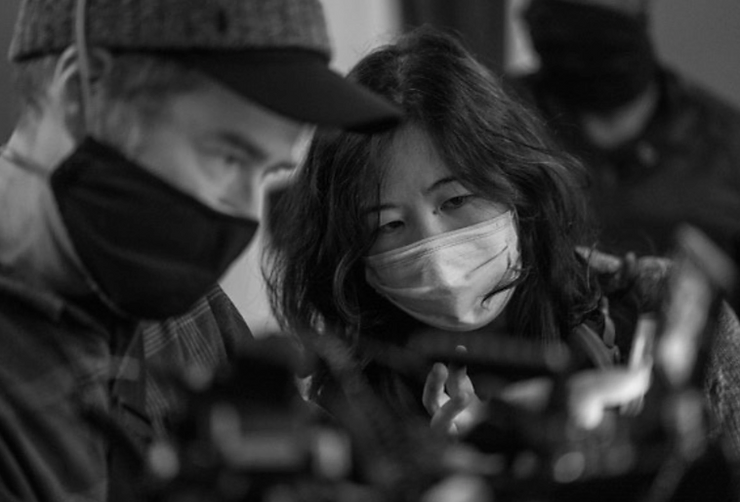
Xiaodan He’s latest feature Montreal, My Beautiful (Montréal, ma belle) has earned great buzz at a string of Canadian film fests, such as the Festival du nouveau cinéma, Windsor International Film Festival, and Toronto Reel Asian International Film Festival.
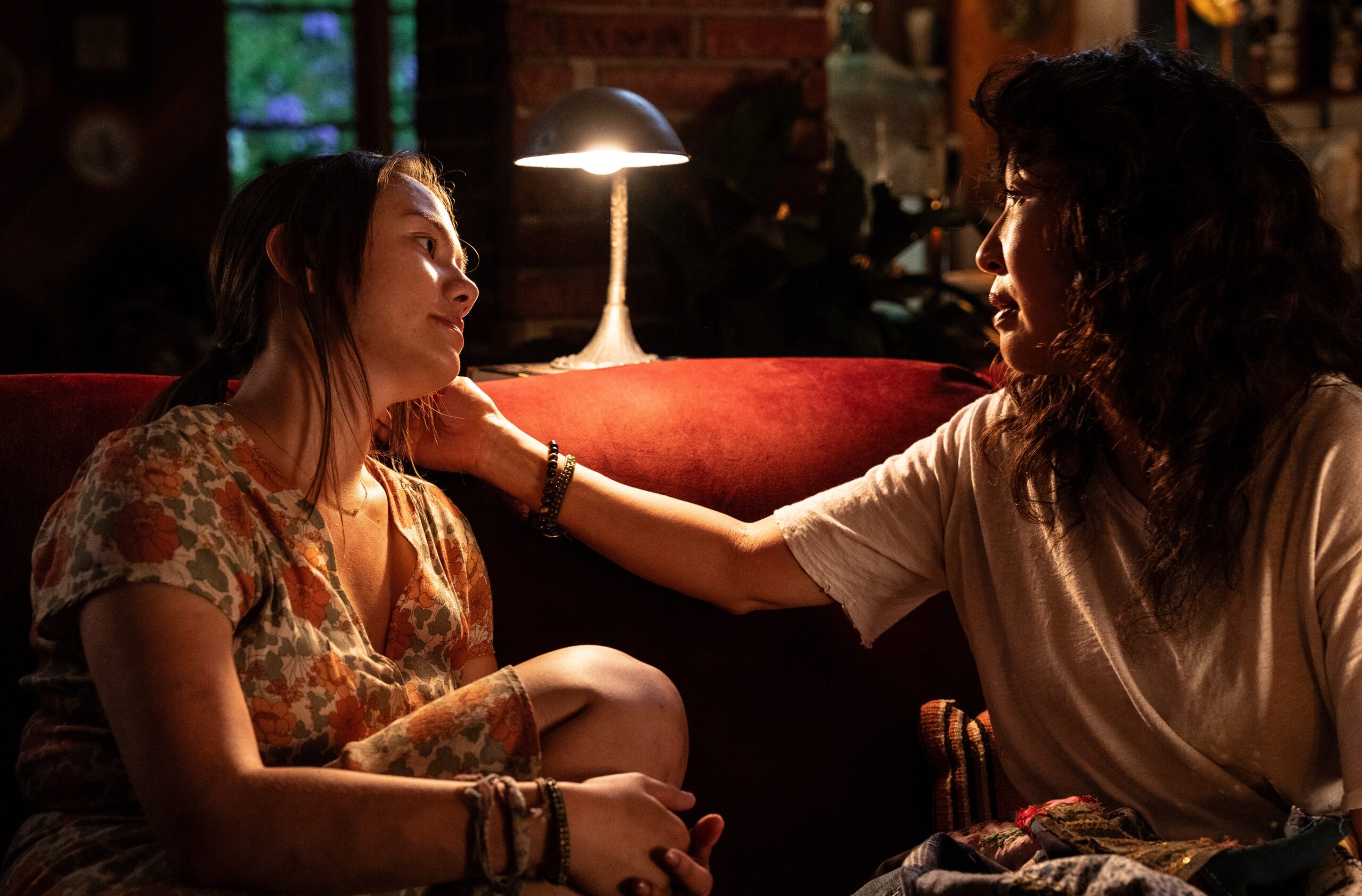
Montreal, My Beautiful stars the legendary Joan Chen as Feng Xia, a Chinese immigrant and mother in Montreal living in a loveless marriage. Feng Xia’s life changes when she meets a young queer Quebecois woman named Camille (played by Charlotte Aubin).
He’s film beautifully incorporates elements of Asian diaspora and queer representation, a rarity in the Quebec film scene.
The Asian Cut had the chance to speak with He about casting Chen in the role, the beauty of the Montreal culture, and staying true to herself.

This interview has been edited for brevity and clarity.


The Asian Cut: How did you find the experience of world premiering Montreal, My Beautiful in front of a Montreal audience at the Festival du Nouveau Cinema last year? It must have been truly fulfilling for you on both a cultural and a personal level.
Xiaodan He: Oh, I was very happy! Absolutely, simply very happy! Even a little bit surprised by the positive reaction from the Chinese community. I had no worry with the Western audience on how they would receive this movie, but for the Chinese community, to be very honest, in the beginning, I had some worries with this subject — which is quite rare to see in the cinema.
I think both of these factors may be shocking for some Chinese audiences. But after the premiere at FNC and the Toronto Reel Asian Film Festival, I got really positive reactions from the Chinese audience — all different ages. So, my worry was totally gone.
What made you want to tell this story in the first place? Especially since we haven’t seen a lot of movies set in Montreal that have both an Asian protagonist and queer representation.
After my first feature, I wanted to do a film based in Montreal because I have been living here now for 25 years, and it gave me the need and desire to make a movie here. I love Montreal. Montreal is my second hometown, and I wanted to simply write a love letter to this city that gave me so much in many ways.
I wanted to try to find a story that avoided the clichés that we often saw before about immigrant identity and struggles. A woman’s story attracts me the most, [and] I thought that a middle-aged Chinese lesbian story would be quite special.
Can you tell us a little bit about the casting process and convincing the legendary Joan Chen to take on this role?
I’m very lucky. I have a very good friend from Beijing who worked in the cinema industry. She retired many years ago, but we became good friends. For my first movie, she helped me to find an actor in China. From then on, we became very good friends.
When I wrote the script for Montreal, My Beautiful, I asked her who could play this challenging role. I needed not only a talented professional actress, but also someone who lived the immigrant experience — this was quite important for this character. My friend immediately recommended Joan Chen. She helped me present the script to her agent. Luckily, Joan fell in love with the script and the character of Feng Xia, immediately.
Montreal feels like a character in itself. What was your writing process like in making sure the city’s presence remained an important part of this story?
It was very natural for me to put Montreal at the forefront. I know it so well, I never had trouble imagining the place. So, when I write all these locations, they are just in front of me, in front of my window. It was a really joyful procedure.
Many people who have lived in Montreal their whole lives come up and tell me, “Xiaodan, your film shows the true Montreal.” It makes me so happy to hear that. I feel very proud to present Montreal in that way.
What was the process like in developing this beautiful bond between Joan Chen and Charlotte Aubin’s characters so that the audience would care for them from beginning to end?
This is a character-driven movie. Feng Xia leads us on this experience and adventure with her. After 25 years of living here, I know the Québécois culture and beauty.
For me, it’s also natural to grasp the beauty from the character of Charlotte. In my mind, I know she will be independent, she will be free, and she will be direct. She’s confident in her appearance, and she’s a young modern queer person in Quebec. She has nothing to hide about that. I picture her from my daily life around me. I know the Québécois and the Montréalais — how they act. It was not difficult for me to create this character.
The two actresses were so great and professional. I think there is a beautiful chemistry between them. I’m lucky to have had these two great actresses to play their roles. They’re just brilliant and completely authentic.
What do you think needs to be done in order for the Asian diaspora film scene to continue to thrive in the industry?
I think as a filmmaker or an artist, no matter what discipline you are working on, you need to find the authenticity in your art and the subject you want to express.
Don’t fake it. Don’t fake it to please the audience, whether Western or Asian. We don’t need to do that.
Authenticity can reach people and move audiences, no matter their nationality.